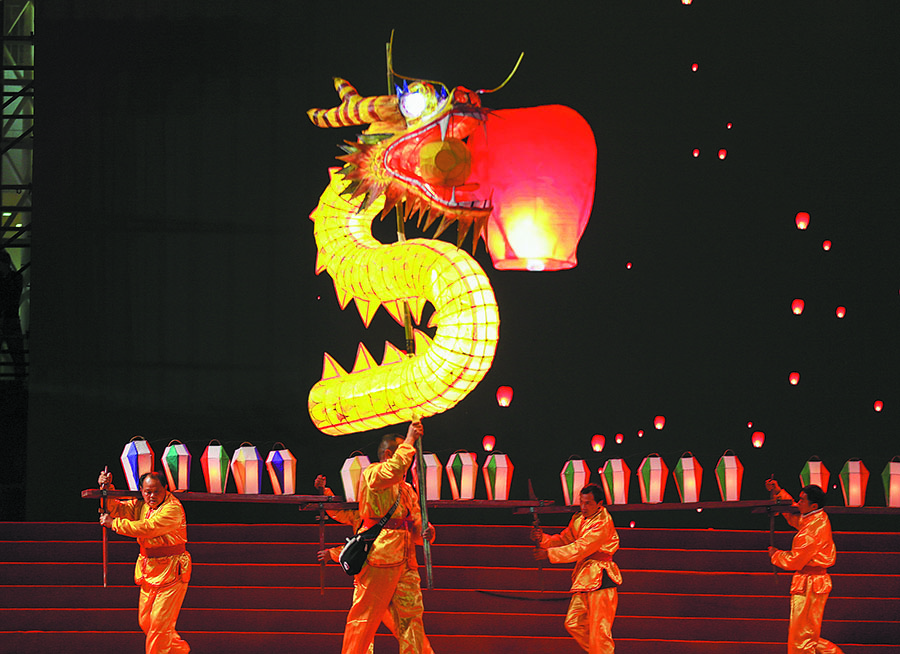
Dragon King
Overview
The Dragon King, also known as the Dragon God, is a significant deity in Chinese mythology, folklore, and cultural tradition. These dragon deities are believed to rule over the seas and control rainfall and weather. Dragon Kings are often depicted in Chinese literature as powerful and majestic beings who can shape-shift into human form. They are traditionally regarded as benevolent, bringing rain to farmers and ensuring bountiful harvests.
Mythology and Representation
In Chinese mythology, the Dragon King is often represented as one of the four Dragon Kings who rule over the four seas corresponding to the cardinal directions. The most famous Dragon King is the East Sea Dragon King, who appears in various Chinese tales, including the famous story of Nezha Conquers the Dragon King. This narrative explores themes of rebellion and heroism, where the boy-god Nezha stands against the Dragon King, symbolizing the triumph of righteousness over tyranny.
The Dragon King is portrayed as a multifaceted deity with both a fierce and caring aspect. As the ruler of water bodies and weather, the Dragon King is often invoked in prayers for rain and protection from floods. Temples dedicated to the Dragon King can be found across China, highlighting the cultural and religious significance of these deities.
Cultural Significance and Festivals
The Dragon King holds a central place in various Chinese festivals and local customs. One such event is the Fenlong Festival, celebrated by the Maonan ethnic group in Guangxi Zhuang autonomous region. This festival is a day dedicated to the Dragon King, believed to separate and bring rain to different places. The celebration includes dragon dance performances, traditional sports competitions, and exhibitions of intangible cultural heritage, reflecting the deep-rooted cultural importance of the Dragon King.
Another significant event is the Longtaitou Festival, or Dragon-Head-Raising Festival, which marks the awakening of the Dragon King from winter slumber. Celebrated on the second day of the second lunar month, it signifies the start of spring and the agricultural season. Traditional practices include getting haircuts to symbolize shedding bad luck and engaging in culinary traditions like eating dumplings and noodles, named after dragon body parts.
Historical and Literary Influence
The influence of the Dragon King extends beyond mythology into historical practices and literature. For instance, the Grand Canal's Dragon King Temple in Jiangsu province is a testament to the enduring legacy of the dragon deity in Chinese culture. The temple is associated with historical events, such as the management of floods during the Ming and Qing dynasties, and hosts annual fairs that continue to attract large crowds.
Literary works, particularly from the Ming Dynasty, often depict the Dragon King and his interactions with other mythological figures like Nezha. These stories have been adapted into various modern media, including films and animated features, ensuring the Dragon King's continued relevance in contemporary culture. Article reference1. Fenlong Festival draws massive crowds in Guangxi. chinaservicesinfo.com. 20232. The Grand Canal's Nanwang Hub National Archaeological Site Park. chinaservicesinfo.com. 20213. Ne Zha's success and a blast from the past. chinadaily.com.cn. 2019Photo Gallery(5 pictures)CategoriesLiteratureTagMythologyChinese Folk LiteratureRelatedNe Zha (Film)Historic Ensemble of the Potala Palace, LhasaNe Zha 2Maonan Ethnic GroupCatalogue1. Overview2. Mythology and Representation3. Cultural Significance and Festivals4. Historical and Literary Influence- - - []








